
Our Story
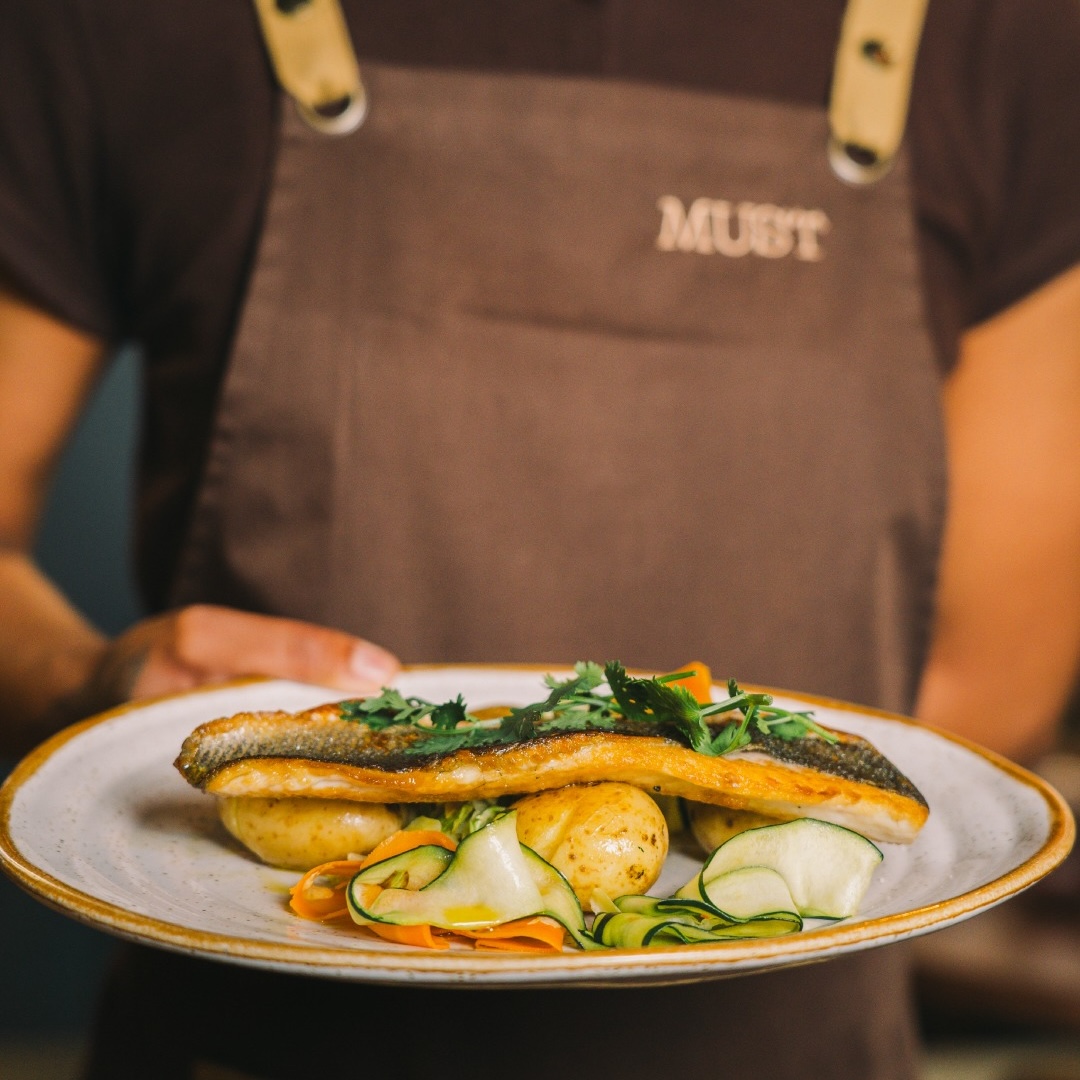
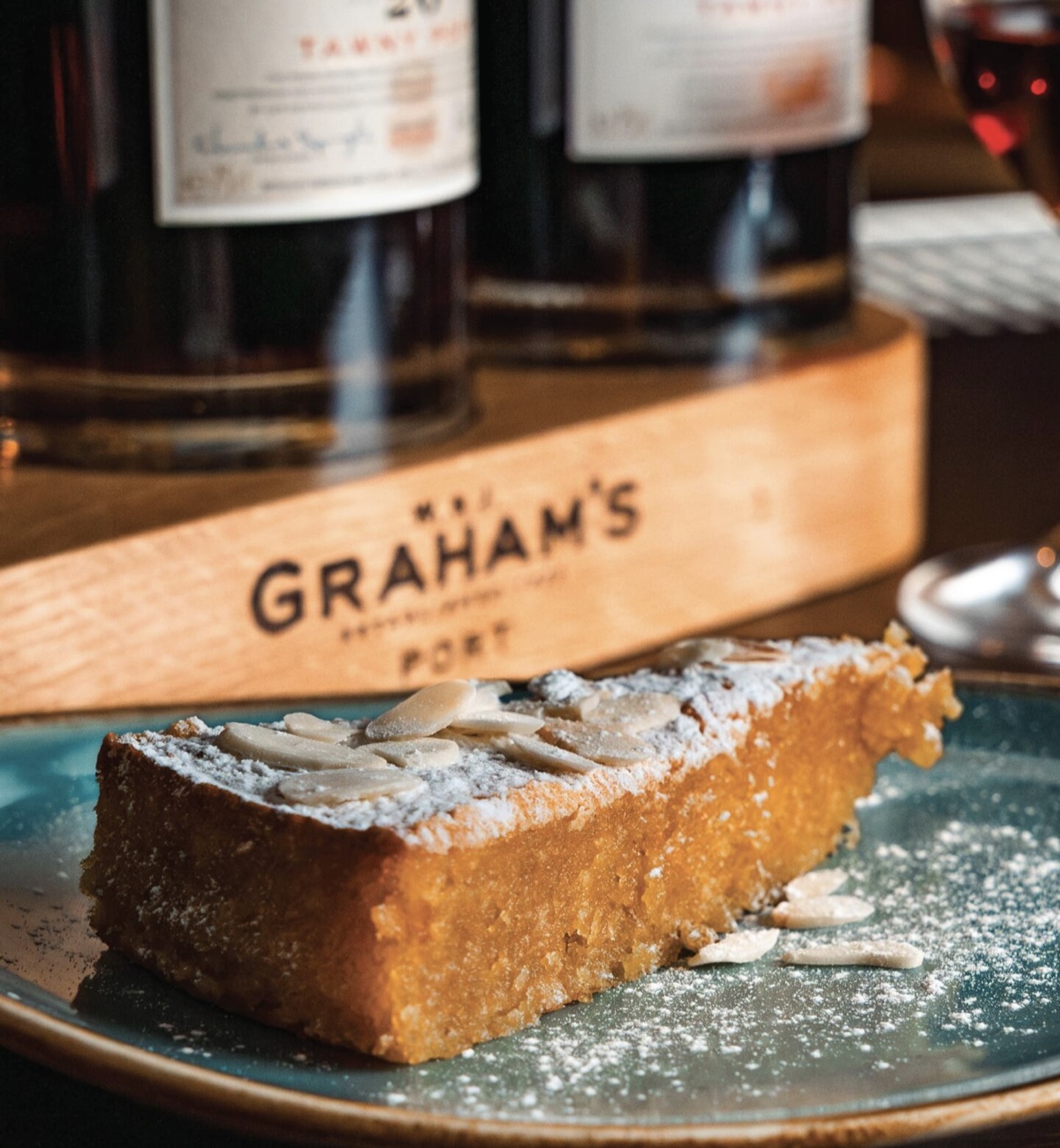
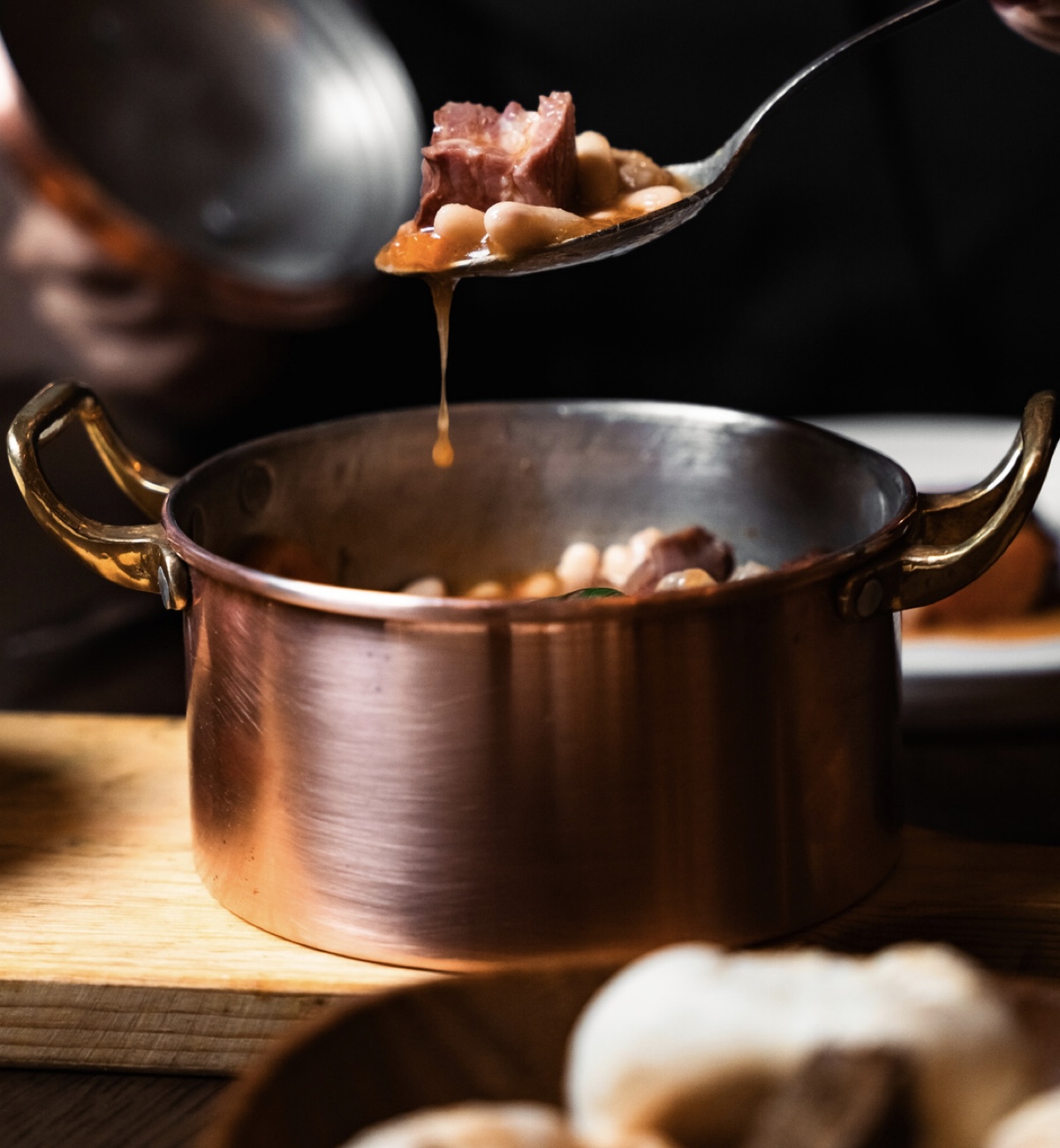
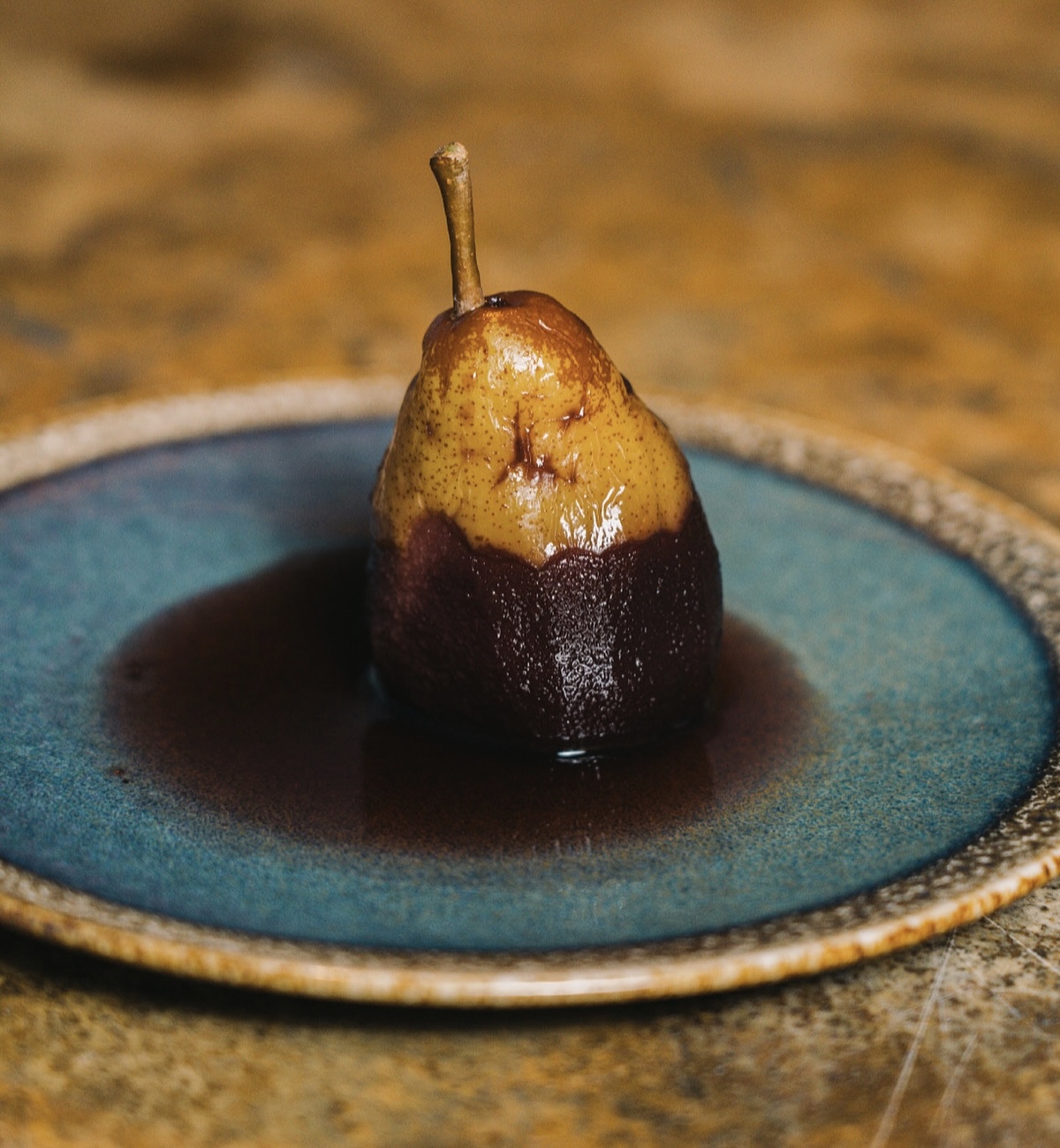
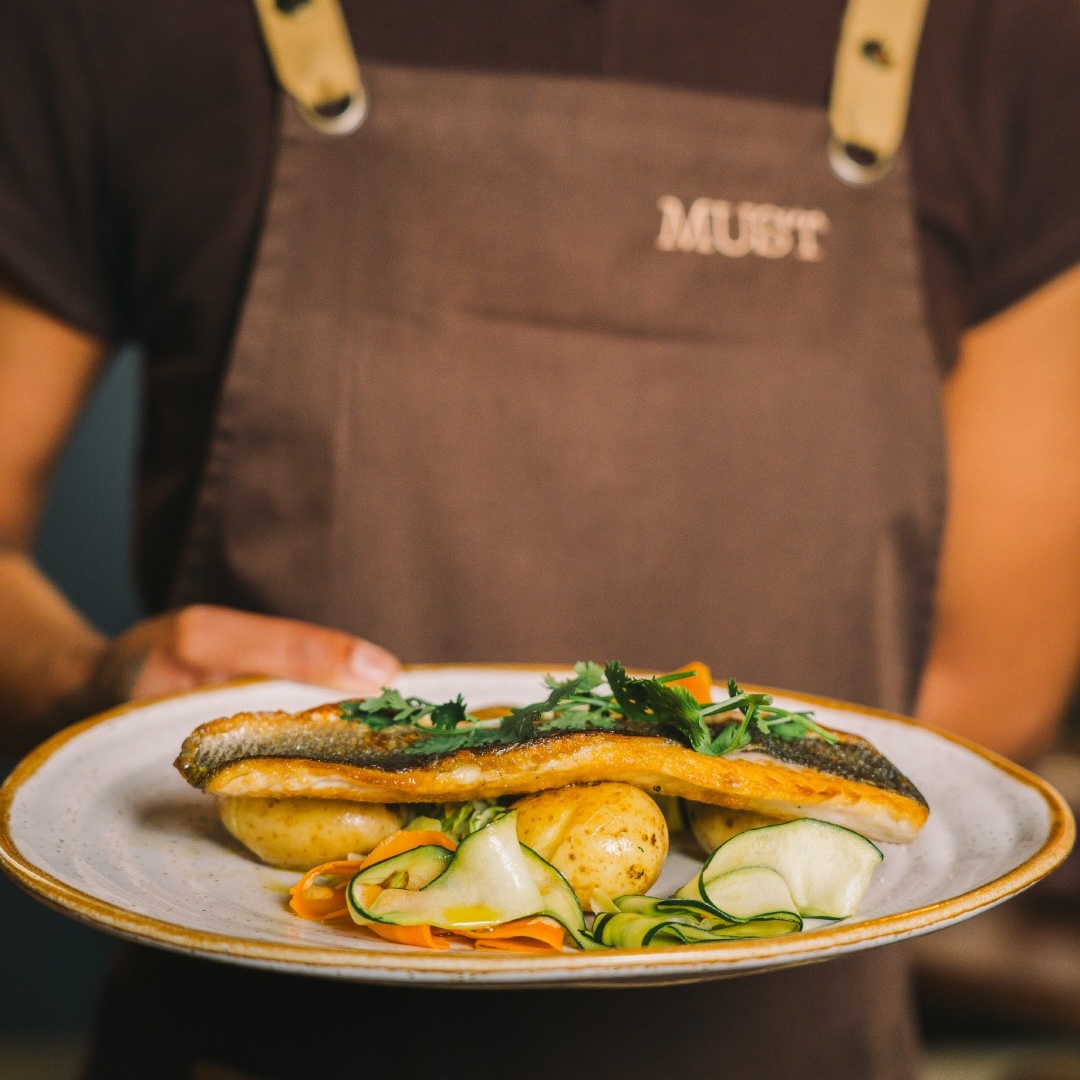
In December 2013, Portugal won its second inscription (after Fado) on the list of Intangible Heritage of Humanity due to its Mediterranean Diet. Portugal has one of the richest cuisines in the world, the result of recipes and traditions accumulated throughout its existence as a nation.
The ancestral heritage of Lusitanian gastronomy was masterfully built from the cultural influences coming from the seas pioneered by the great Portuguese navigators, and enhanced by ingredients that transmit the best that the sea and land have to offer to the palate. The gastronomic legacy is also complemented by the selection of wine from indigenous grape varieties, whose production began before the founding of the country itself.
Gastronomy is clearly assumed as a marker of cultural identity. When we talk about gastronomy, we are not just referring to the act of satisfying the need for food, we are talking about territories, culture, heritage, memory and identity. Full of flavours, aromas, sounds, gastronomy is a way of getting to know and understanding other cultures, promoting the encounter between what we offer and what others are culturally predisposed to experience and appreciate. There will be few ways to do this in such an authentic way.